
FURNITURE RESTORATION
Have beloved old or antique furniture that’s in need of a little care? Residential furniture restoration focuses on reviving well‑made pieces that have worn with time, while respecting the materials, techniques and character of the era in which they were created.
Unlike repair, restoration is intended for furniture that remains structurally sound but has softened, faded or lost its finish through age and use. Upholstery may be tired, surfaces dulled, and details less distinct, even though the piece itself still has many years ahead of it.
Restoration offers a way to renew those elements carefully, preserving what makes the furniture distinctive while allowing it to be enjoyed once again.

Have beloved old or antique furniture that’s in need of a little care? Residential furniture restoration focuses on reviving well‑made pieces that have worn with time, while respecting the materials, techniques and character of the era in which they were created.
Unlike repair, restoration is intended for furniture that remains structurally sound but has softened, faded or lost its finish through age and use. Upholstery may be tired, surfaces dulled, and details less distinct, even though the piece itself still has many years ahead of it.
Restoration offers a way to renew those elements carefully, preserving what makes the furniture distinctive while allowing it to be enjoyed once again.
A Traditional, Measured Approach
Restoration work is guided by the period, materials and construction of the furniture. Decisions about finishes, upholstery and techniques are made carefully to ensure the piece remains true to its original form.
Work may include:
- Reupholstering worn or tired fabric using appropriate materials
- Refreshing timber surfaces and finishes
- Stabilising and refining decorative details
The objective is not to modernise or redesign, but to present the furniture as it should be.

A Traditional, Measured Approach
Restoration work is guided by the period, materials and construction of the furniture. Decisions about finishes, upholstery and techniques are made carefully to ensure the piece remains true to its original form.
Work may include:
- Reupholstering worn or tired fabric using appropriate materials
- Refreshing timber surfaces and finishes
- Stabilising and refining decorative details
The objective is not to modernise or redesign, but to present the furniture as it should be.
Upholstery in Restoration Work
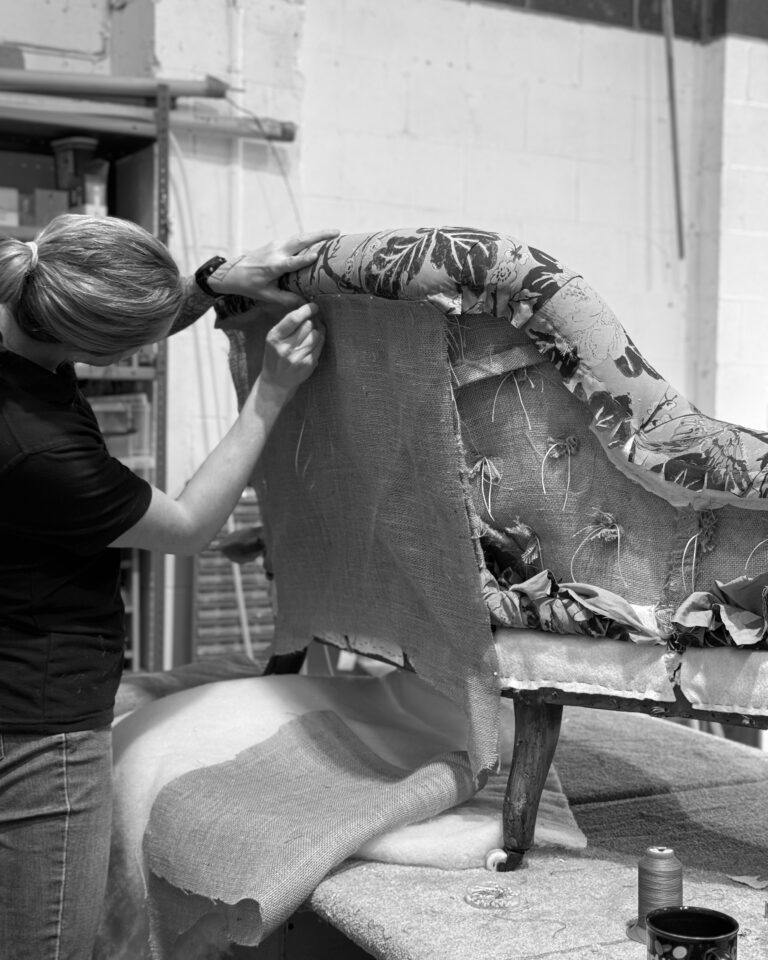
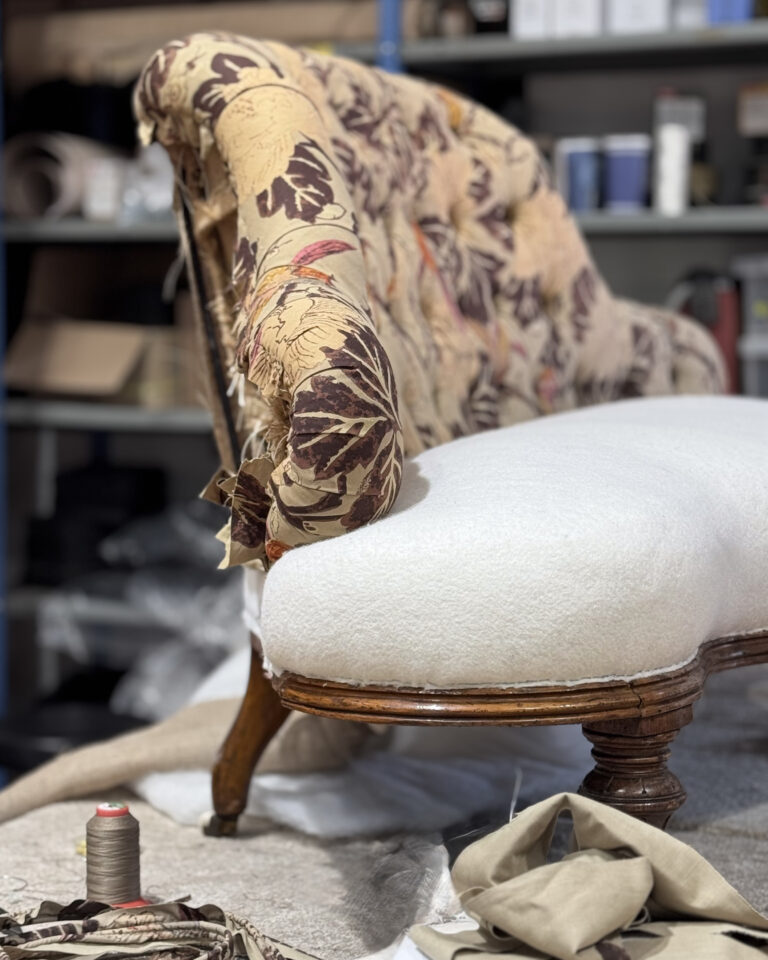
Upholstery often defines how older furniture both looks and feels. Over time, materials can thin, fade or lose resilience, even when the structure itself remains in good condition.
Restoration‑led reupholstery considers the furniture’s age, style and intended use, ensuring the finished result feels consistent rather than newly made or out of place.
Antique, Period & Heirloom Pieces


Restoration is most often chosen for antique, period and heirloom furniture where time has added meaning as well as wear.
These are pieces that carry craftsmanship, history and personal connection — furniture that has been lived with, passed down or carefully chosen. Restoration allows them to be cared for thoughtfully, preserving their character while keeping them present and usable in the home.
Care, Skill & Judgement
Each restoration project is assessed individually, with time taken to understand the furniture and the level of intervention required.
The result is a piece that has been refreshed with restraint, retaining its character, improving its condition, and allowing it to continue its place in the home.
Other Residential Services:

HOW IT WORKS
1. Get in touch
2. Choose your fabric
3. Agree a drop off / collection date
4. Enjoy your restored furniture
FAQs:
Residential furniture restoration is the careful renewal of aged or antique furniture, focusing on preserving original materials, construction and character. The process improves condition and usability without altering the integrity or period detail of the piece.
Restoration is most often suited to antique, period and heirloom furniture that remains structurally sound but shows signs of age, wear or material fatigue. Pieces with craftsmanship, history or sentimental value tend to benefit most from a restoration‑led approach.
Furniture restoration focuses on sensitive renewal for older or historically significant pieces, with an emphasis on preserving original character and materials. Furniture repair addresses specific functional issues and is typically used for more contemporary furniture or isolated damage.
Not always. Restoration may include reupholstery where existing fabrics or fillings have deteriorated, but it can also focus on timber finishes, decorative details or surface refinement. The approach depends on the condition and needs of the individual piece.
Timescales vary depending on the type of furniture, materials involved and level of work required. An indicative timeframe is usually provided once the piece has been assessed and the scope of restoration agreed.
LET’S TALK
If you’d like to discuss a restoration, get in touch. We’re always happy to offer advice, answer questions, and explore the best way forward.